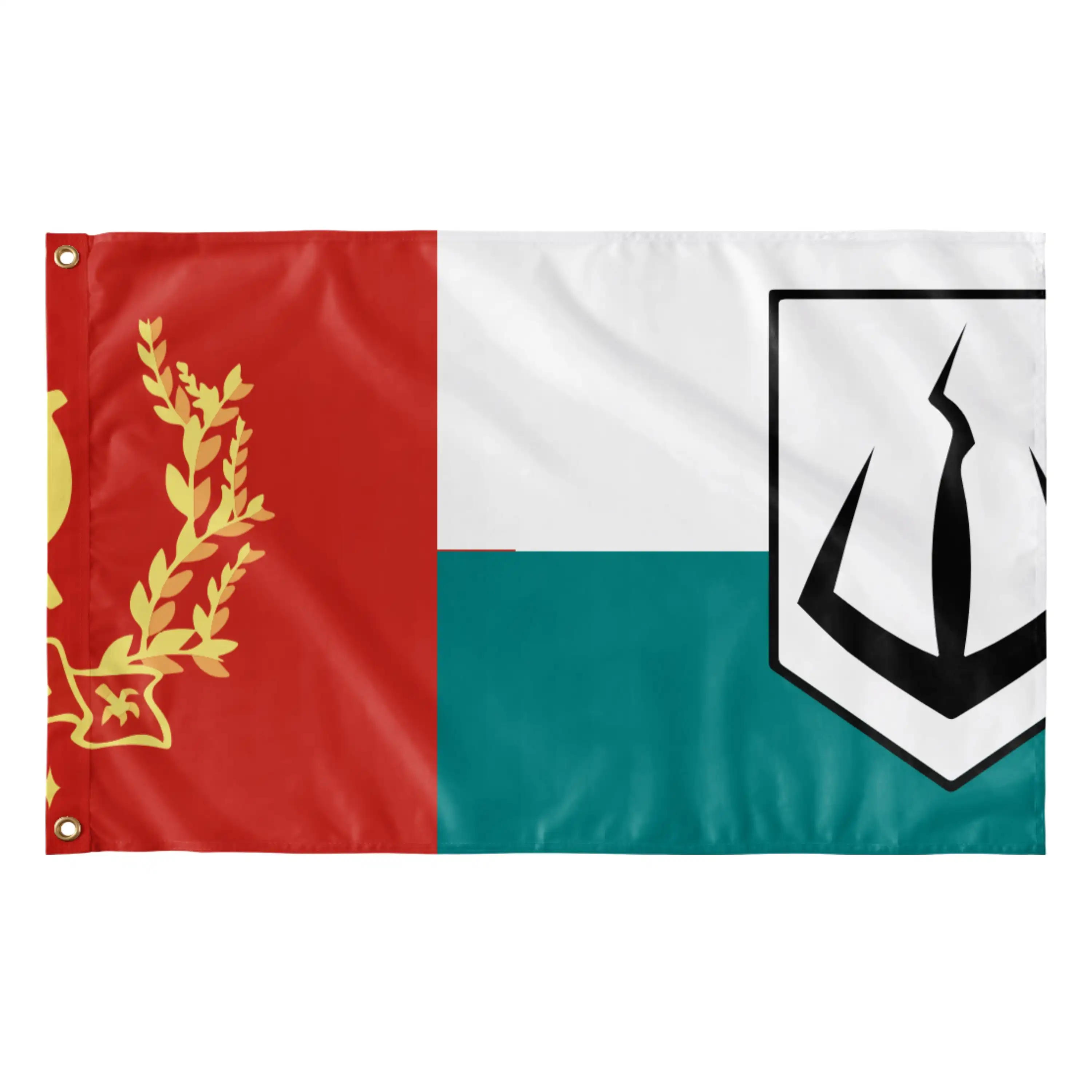
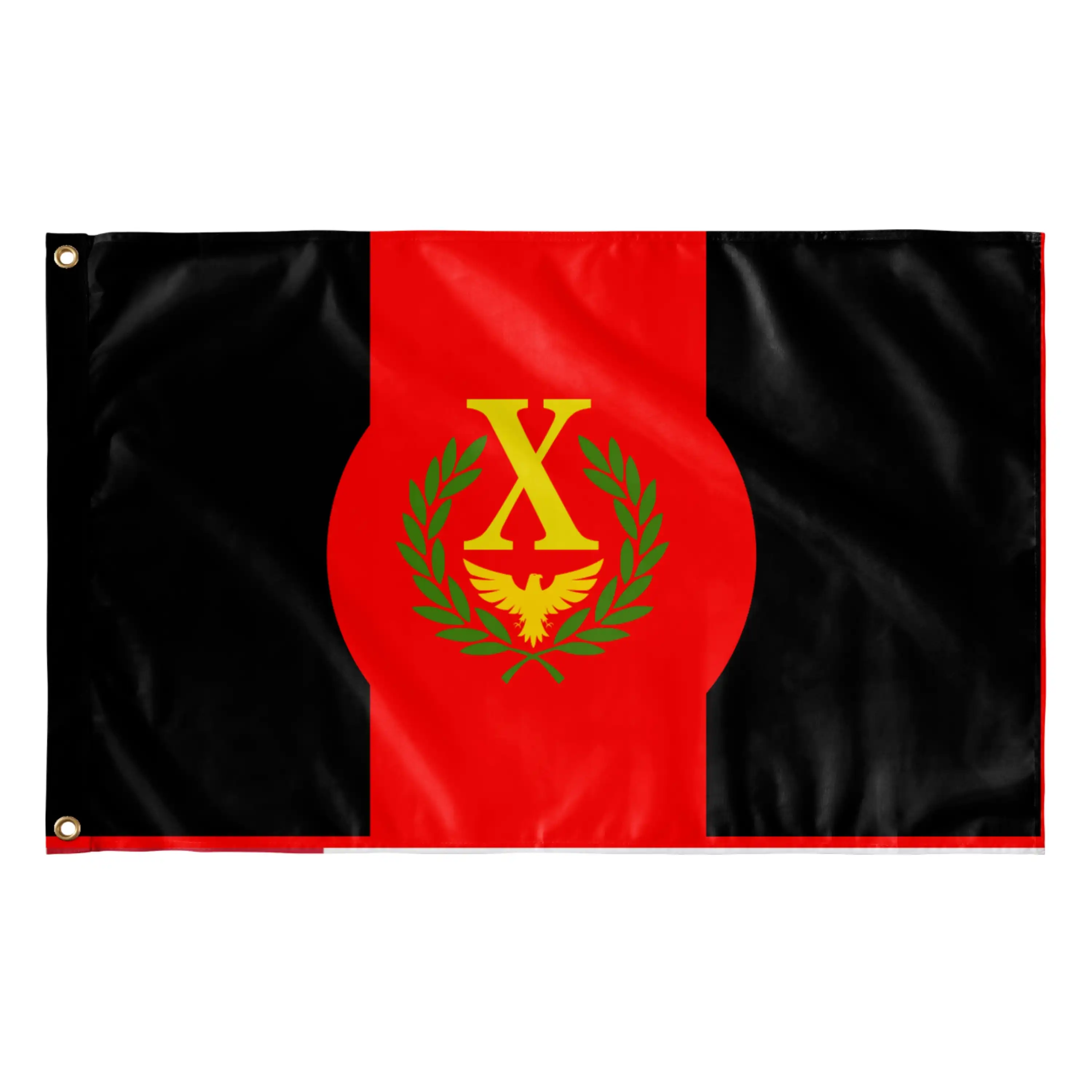
Republic of China flag (China)
📐 Custom Personalized Flag made with Flagmaker & Print. Learn more about our product line-up on the Product Details page. This custom flag design is available as both a one-sided wall flag, or a double-sided display flag
🎌 All our personalized flags are available in multiple sizes and finishing options . If you have special requests, don't hesitate to reach out to us!
✒️ The Republic of China (ROC), or simply China, as a sovereign state was based on mainland China from 1912 to 1949, when the government retreated to Taiwan, where it continues to be based.[f] The ROC was established after the 1911 Revolution against the Qing dynasty, ending the imperial history of China. The ROC government was ruled by the Kuomintang (KMT) as a one-party state based in Nanjing from 1927, until its flight to Taipei on 7 December 1949 following its defeat by the Chinese Communist Party (CCP) in the Chinese Civil War. The CCP proclaimed the People's Republic of China on 1 October 1949, while the ROC retains control over the "Free Area", with the political status of Taiwan remaining in dispute. The ROC was formally declared on 1 January 1912, before Puyi, who had reigned as the Xuantong Emperor of the Qing dynasty, abdicated on 12 February 1912. Sun Yat-sen, the ROC's founder and provisional president, served only briefly before handing over the presidency to Yuan Shikai, the leader of the Beiyang Army. Yuan quickly became authoritarian and used his military power to control the administration, which consequently became known as the "Beiyang government" (or the First Republic of China). Yuan even attempted to replace the Republic with his own imperial dynasty until popular unrest forced him to back down. When Yuan died in 1916, the country fragmented between the various local commanders of the Beiyang Army. This began the Warlord Era defined by decentralized conflicts between rival cliques. The most powerful of these cliques, notably the Zhili and Fengtian cliques, at times used their control of Beijing to assert claims to govern the entire Republic.
Product Information
Product Information
Shipping & Returns
Shipping & Returns
Description
📐 Custom Personalized Flag made with Flagmaker & Print. Learn more about our product line-up on the Product Details page. This custom flag design is available as both a one-sided wall flag, or a double-sided display flag
🎌 All our personalized flags are available in multiple sizes and finishing options . If you have special requests, don't hesitate to reach out to us!
✒️ The Republic of China (ROC), or simply China, as a sovereign state was based on mainland China from 1912 to 1949, when the government retreated to Taiwan, where it continues to be based.[f] The ROC was established after the 1911 Revolution against the Qing dynasty, ending the imperial history of China. The ROC government was ruled by the Kuomintang (KMT) as a one-party state based in Nanjing from 1927, until its flight to Taipei on 7 December 1949 following its defeat by the Chinese Communist Party (CCP) in the Chinese Civil War. The CCP proclaimed the People's Republic of China on 1 October 1949, while the ROC retains control over the "Free Area", with the political status of Taiwan remaining in dispute. The ROC was formally declared on 1 January 1912, before Puyi, who had reigned as the Xuantong Emperor of the Qing dynasty, abdicated on 12 February 1912. Sun Yat-sen, the ROC's founder and provisional president, served only briefly before handing over the presidency to Yuan Shikai, the leader of the Beiyang Army. Yuan quickly became authoritarian and used his military power to control the administration, which consequently became known as the "Beiyang government" (or the First Republic of China). Yuan even attempted to replace the Republic with his own imperial dynasty until popular unrest forced him to back down. When Yuan died in 1916, the country fragmented between the various local commanders of the Beiyang Army. This began the Warlord Era defined by decentralized conflicts between rival cliques. The most powerful of these cliques, notably the Zhili and Fengtian cliques, at times used their control of Beijing to assert claims to govern the entire Republic.