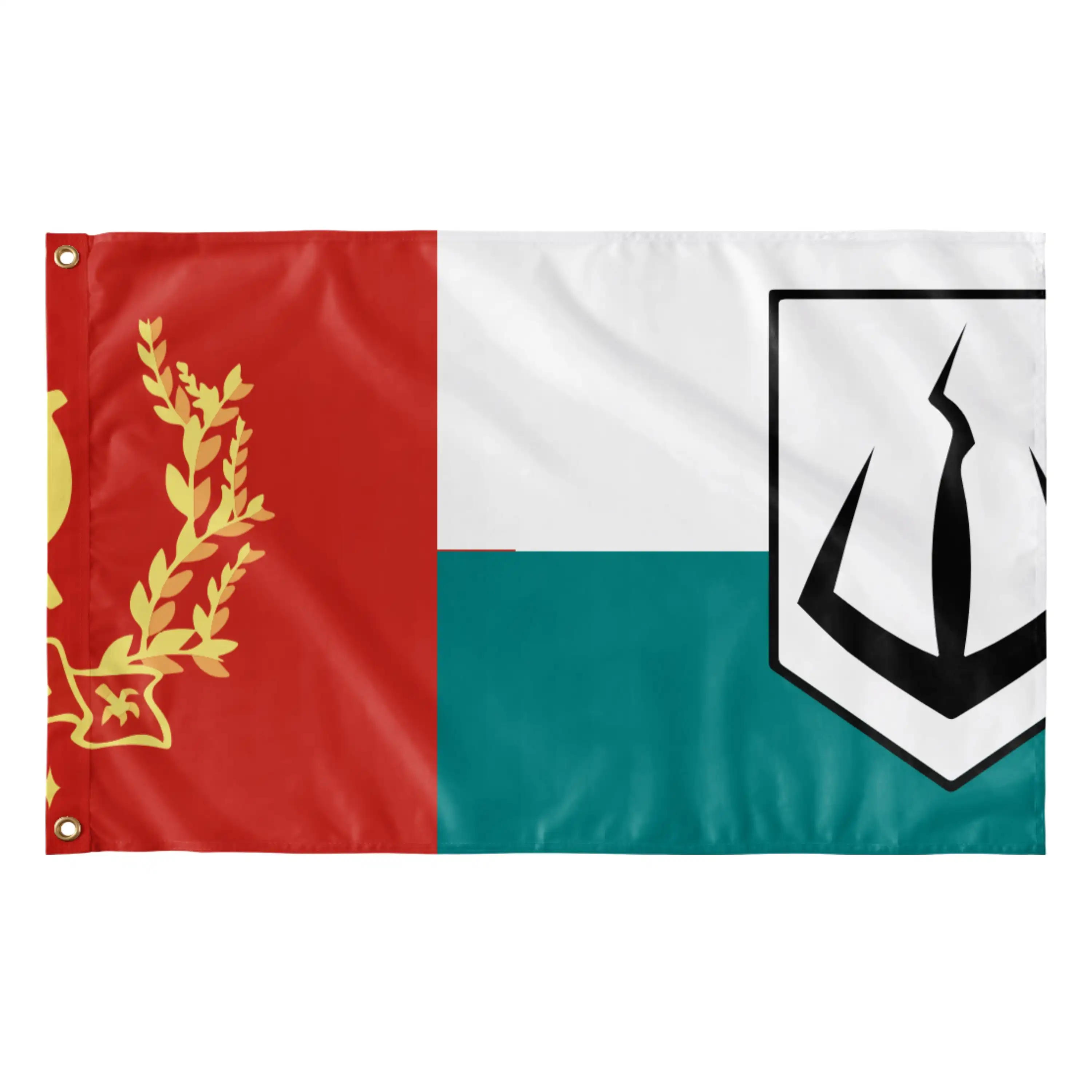
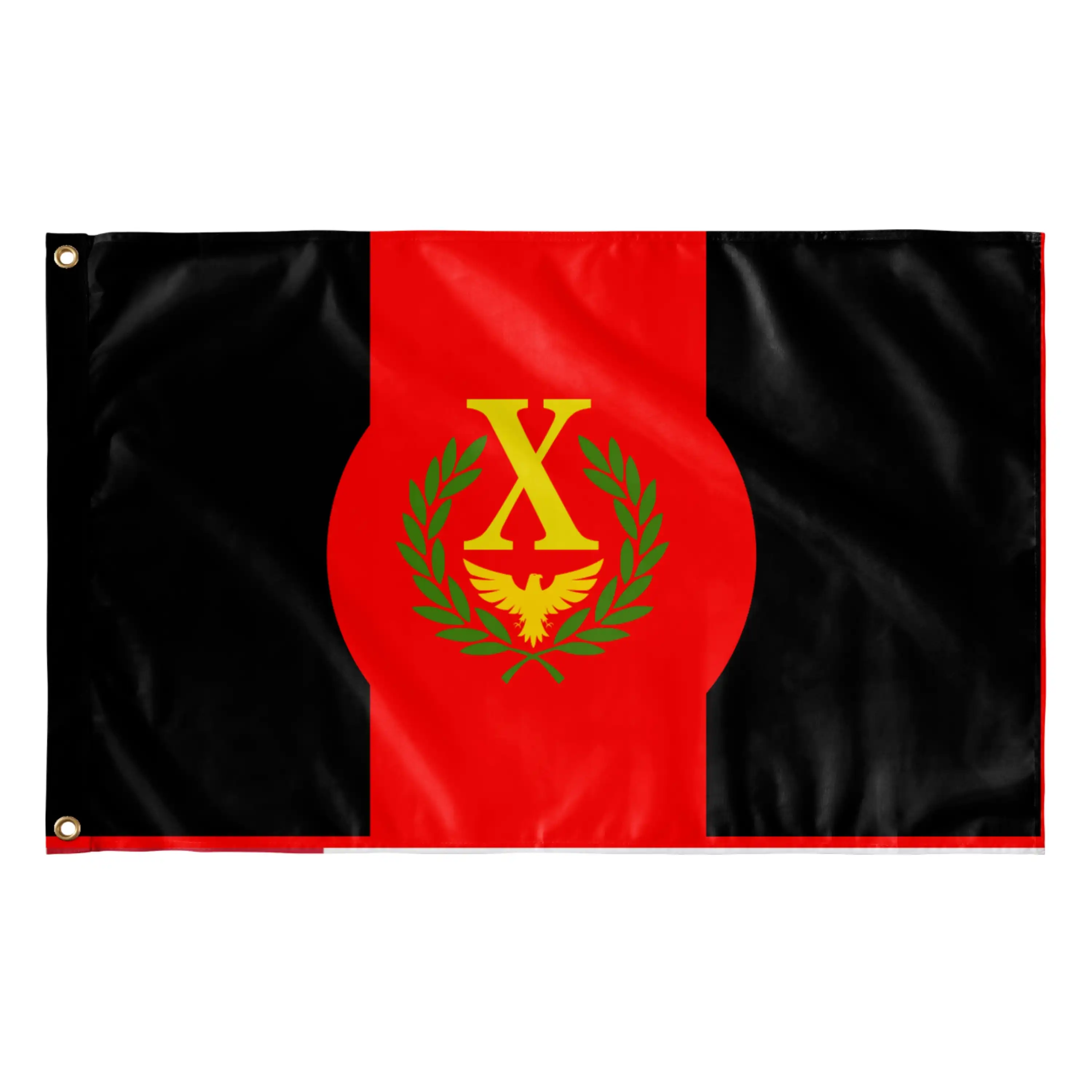
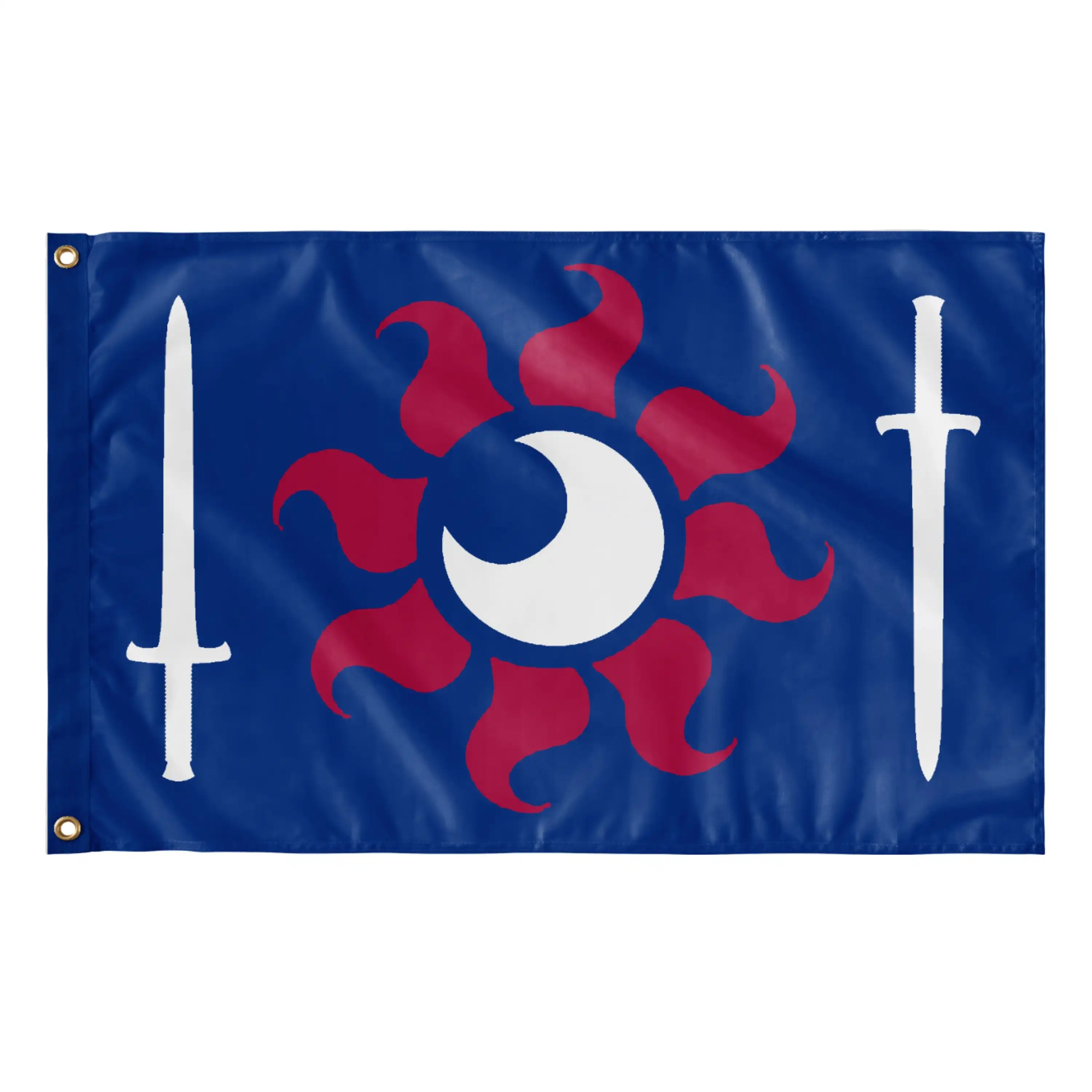
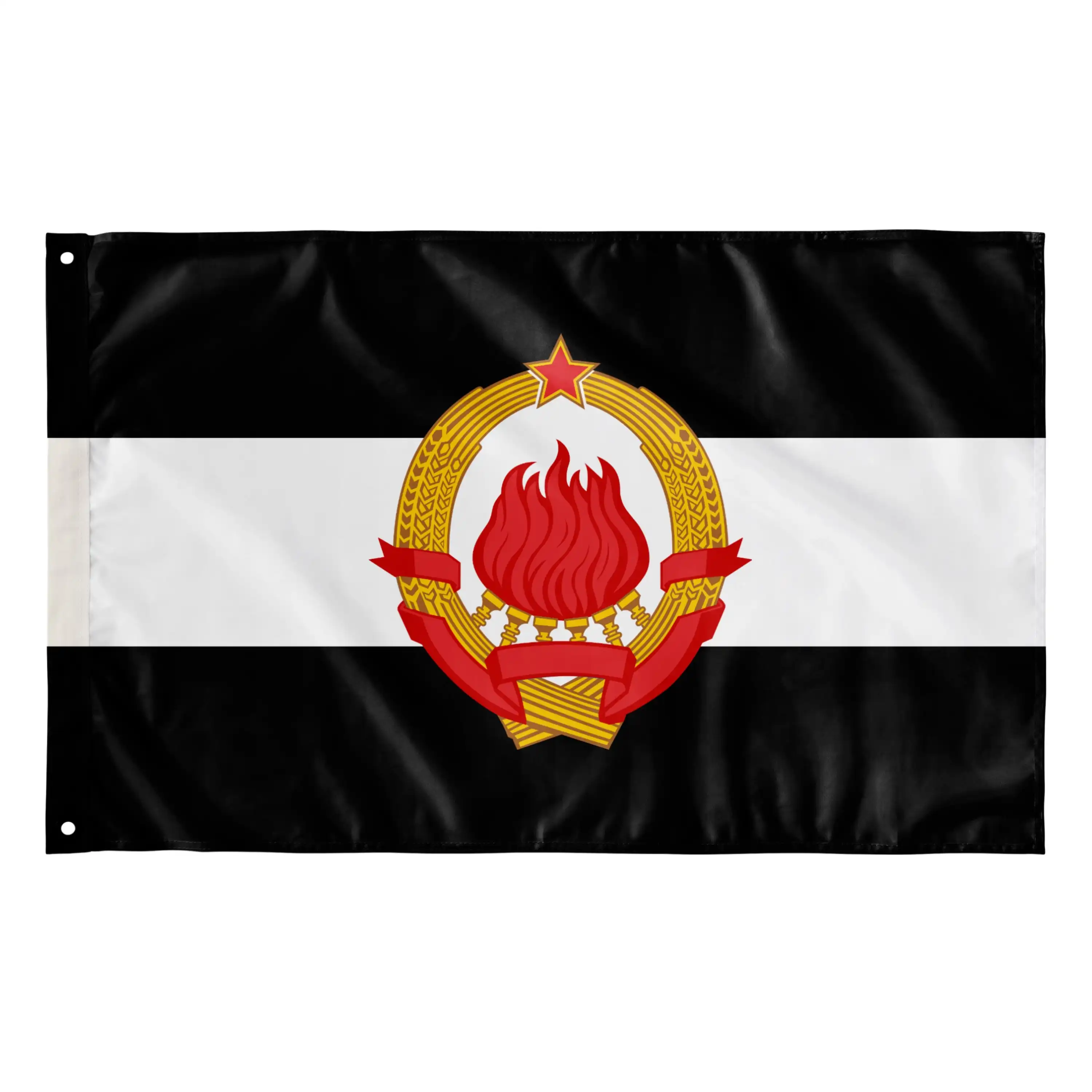
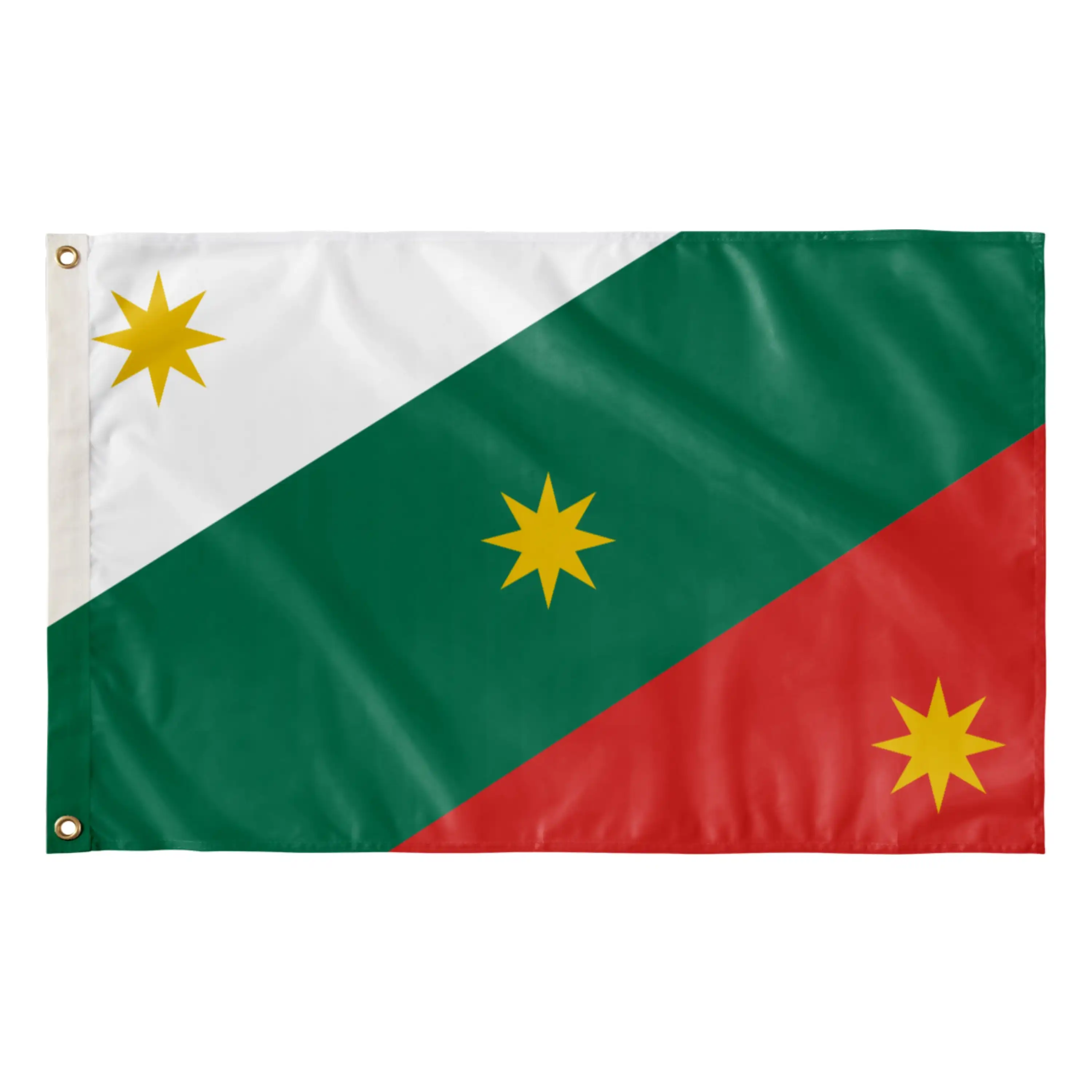
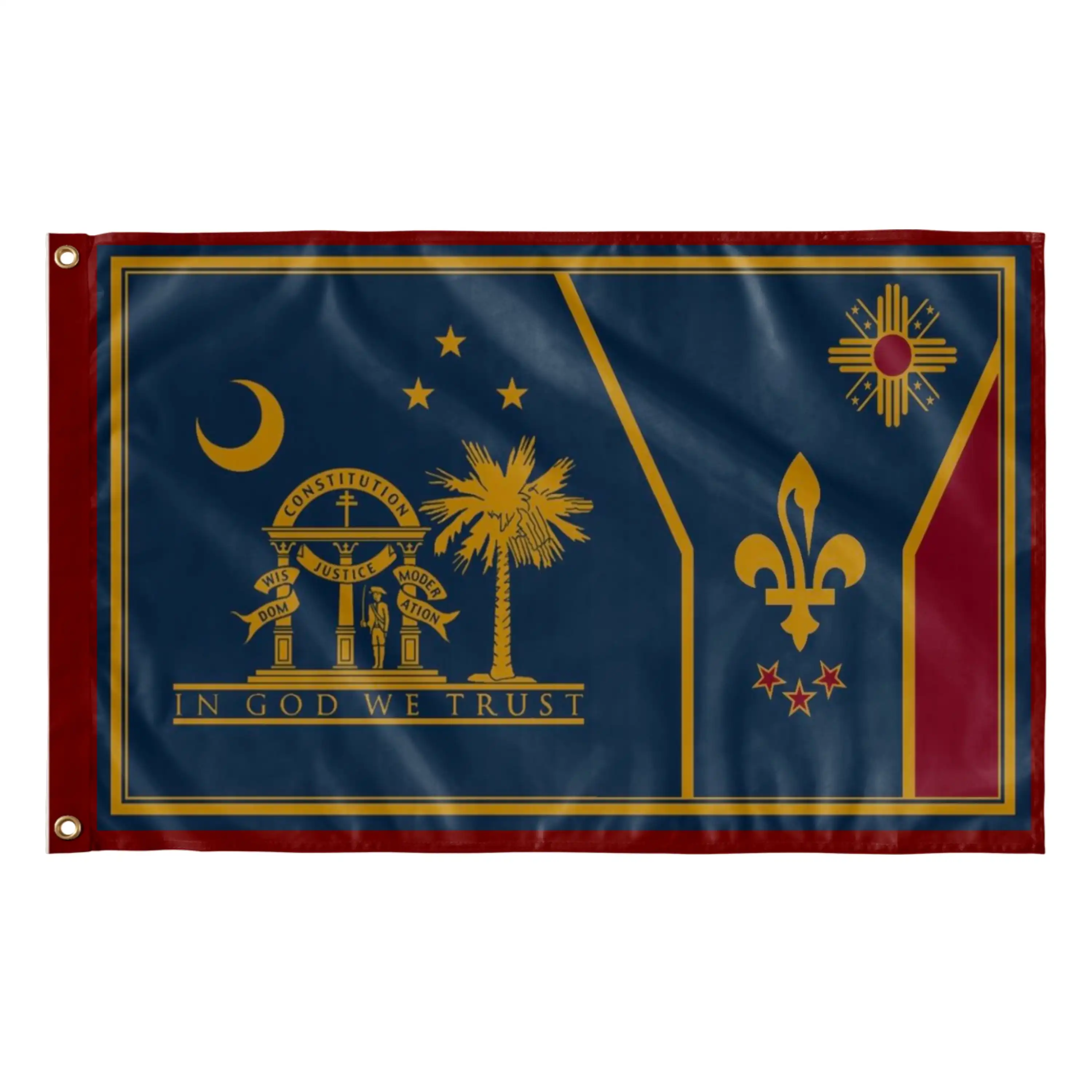
Syria flag (Syria)
📐 Custom Personalized Flag made with Flagmaker & Print. Learn more about our product line-up on the Product Details page. This custom flag design is available as both a one-sided wall flag, or a double-sided display flag
🎌 All our personalized flags are available in multiple sizes and finishing options . If you have special requests, don't hesitate to reach out to us!
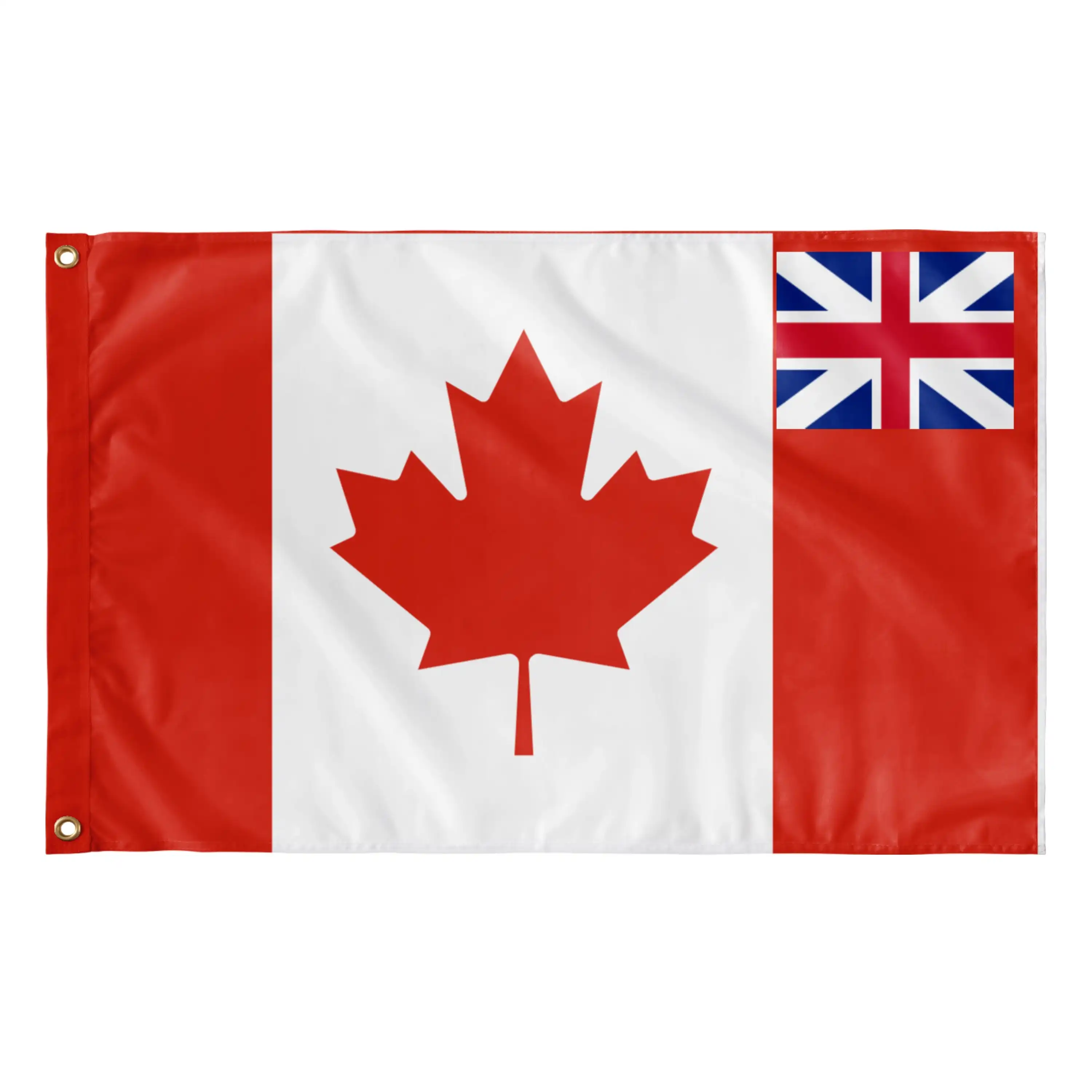
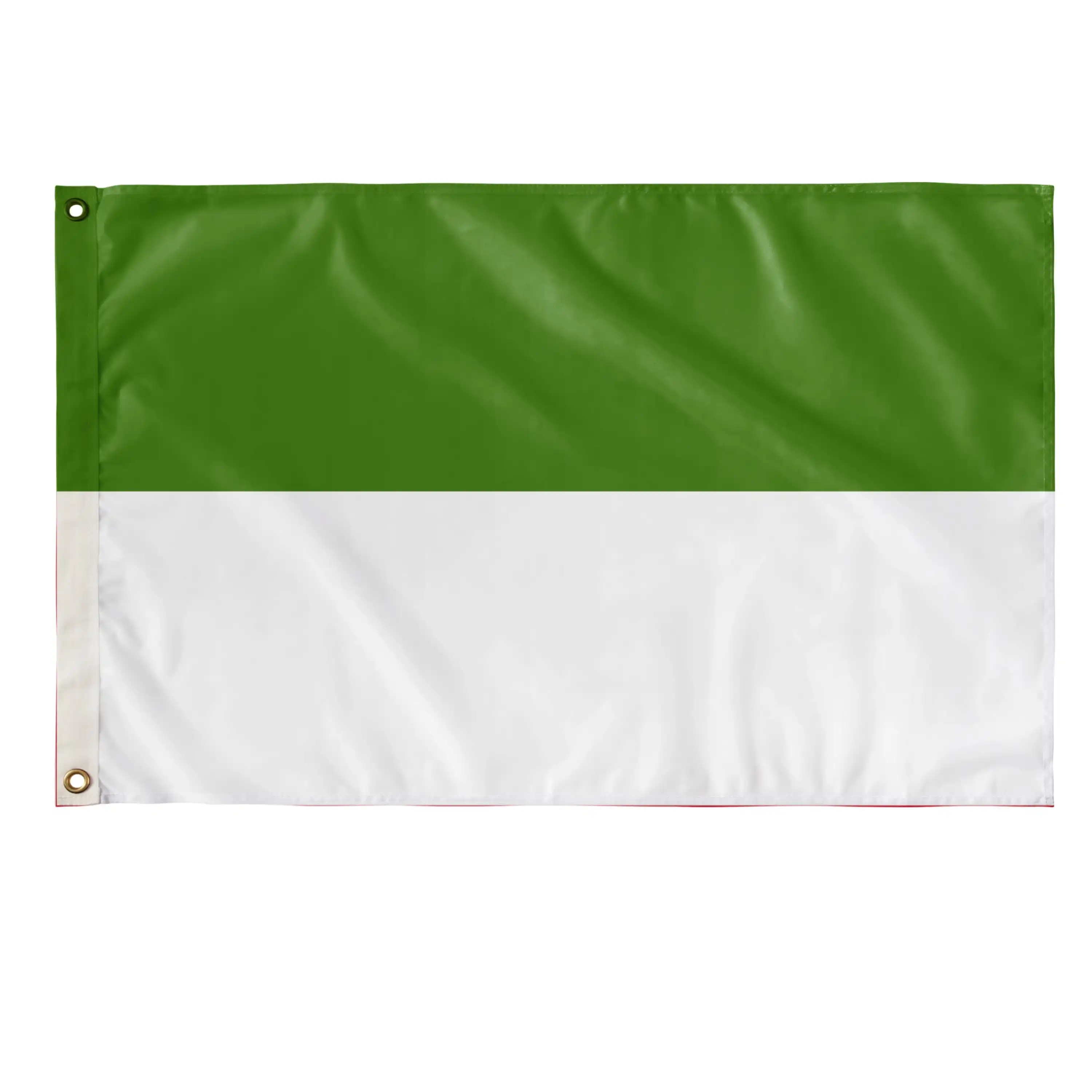
✒️ The flag of Syria consists of three horizontal stripes of red, white, and black, with two green five-pointed stars centered in the white stripe. Officially adopted in its current form in 1980, the flag’s design is based on the Pan-Arab colors, symbolizing Arab unity and independence. The red stripe represents the sacrifices and struggle for freedom, white symbolizes peace and a bright future, and black stands for oppression overcome. The two green stars originally represented the union between Egypt and Syria in the United Arab Republic, and today they are often interpreted as symbols of Syria and its Arab neighbors.
Original: $928,000.00
-70%$928,000.00
$278,400.00Product Information
Product Information
Shipping & Returns
Shipping & Returns
Description
📐 Custom Personalized Flag made with Flagmaker & Print. Learn more about our product line-up on the Product Details page. This custom flag design is available as both a one-sided wall flag, or a double-sided display flag
🎌 All our personalized flags are available in multiple sizes and finishing options . If you have special requests, don't hesitate to reach out to us!
✒️ The flag of Syria consists of three horizontal stripes of red, white, and black, with two green five-pointed stars centered in the white stripe. Officially adopted in its current form in 1980, the flag’s design is based on the Pan-Arab colors, symbolizing Arab unity and independence. The red stripe represents the sacrifices and struggle for freedom, white symbolizes peace and a bright future, and black stands for oppression overcome. The two green stars originally represented the union between Egypt and Syria in the United Arab Republic, and today they are often interpreted as symbols of Syria and its Arab neighbors.